~2010
Origins
2021
Discovery
2024
Journey
2024
Insight
2024
Creation
Future
Vision
Today
Current Status

Why did I build Patterns

The story behind it

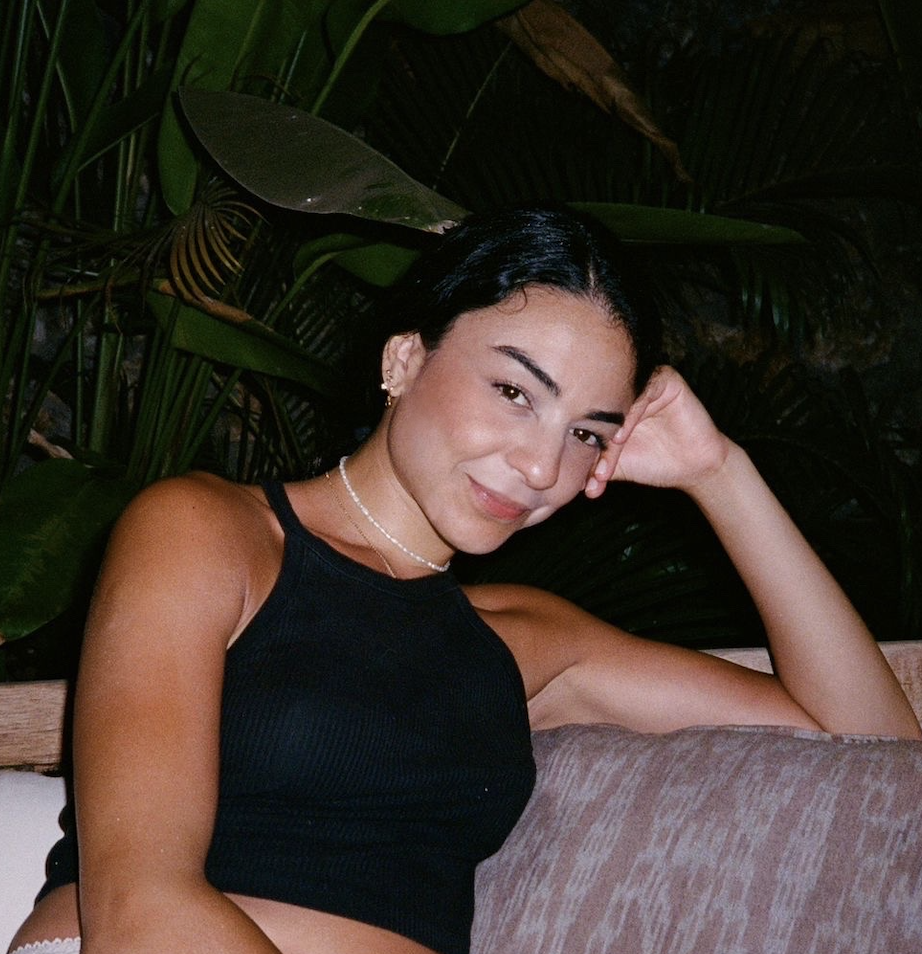
Inès Khatiri

For over a decade, I dealt with symptoms that came in waves. Intense, disruptive, then gone. Doctors gave me labels: depression, PCOS, burnout. None of them were right.

At 26, I found the answer myself: PMS.

At 29, I was diagnosed with PMDD.

At 30, I learned to code, studied the research, and built Patterns.

Here's my story ↓

I started feeling "intense" around 13.

Maybe it was PMDD, maybe it wasn't.

What matters is this: it wasn't a constant personality trait.

It came in waves. It disrupted my life. And then it passed.

And I grew up thinking that instability was just who I was.

When I felt too intense, I'd withdraw completely. I didn't want anyone to witness my internal chaos. This is still true today.

In my 20's, I asked for help.

Doctors gave me labels but no answer.

One diagnosed depression. Prescribed vitamins.

Another told me it was PCOS. Put me on hormonal birth control, which amplified everything. Turns out, I never had PCOS.

Another suggested burnout and gave me medical leave.

No one connected it to my menstrual cycle.

At 26, I stumbled on the answer.

Randomly, on Instagram. I read a post about PMS.

I was 26 years old and had never heard of it. Not in school. Not from doctors. Nowhere.

The next day, I started tracking my symptoms out of curiosity.

The pattern was immediate: my symptoms happen between 7 to 14 days before my period.

I felt relieved. Finally having a name for it was validating. But it also made me really angry.

Why isn't this basic biology taught in school?

I tried the "natural" route first

Therapy: I'd start, feel capable again, then convince myself I didn't need it. The cycle repeated.

Supplements: magnesium, B6, calcium, evening primrose oil, L-theanine, folate. I funded the supplement industry without proof anything worked. The daily ritual of pills. The bottles cluttering my bag. The mounting costs. All for... what, exactly?

How do you know if a protocol is working anyway?

Supplements and therapy are expensive. I didn't have proof it worked. So in order to save money, I guessed it didn't.

At 29, I (finally) got diagnosed with PMDD

At this point, I'd known for years.

But the official diagnosis made finding a solution feel urgent.

I was offered the contraceptive pill or SSRIs.

Fluoxetine: 2 months of horrible nightmares. I quit.
Sertraline: 3 months with no will to live. I quit.

The contraceptive pill made my symptoms worse. SSRIs made me feel like I was losing myself. No solution?

"You should exercise more, cut sugar, meditate..."

They call it "the holistic approach." I call it "the last thing you want to hear when you're already drowning."

Because PMDD doesn't give you one symptom at a time. It throws everything at you simultaneously:

I'm exhausted. And craving carbs. And deeply sad. And craving sugar. And can't focus. And having gas. And irritable. And socially anxious. And having mouth ulcers. And tense. At the same time. Every month. For 10 to 14 days.

Now try exercising. Try meditating. Try meal-prepping. While your body is actively fighting you on every front.

It's not willpower. It's trying to swim against a riptide.

My therapist introduced me to the DRSP

A scientifically validated symptom tracker. Clinically sound. Practically exhausting.

Filling it out daily in a Google Sheet felt like a second job. Cleaning the data to make it readable? Hours of manual work.

But I pushed through for 6 months. Fed it to AI. And I saw it.

Day 18-21: anxiety. Day 22-24: irritability. Sertraline 50mg cuts symptoms by 40% but increased fatigue by 50%. Caffeine after 2pm = no sleep. My mouth ulcers happen always at the same moment. Everything cyclical. Everything predictable.

For the first time in 10 years, I had answers.

The DRSP proved tracking worked. But nobody should need a PhD in spreadsheets just to understand their own body.

So I built Patterns.

I'm a Product Manager, so building digital solutions is what I do. But I'm not a developer, so I learned to code and used AI to work on it.

Patterns is the tool I wish I'd had years ago:

  • A daily check-in designed to be quick and lightweight. No long, overwhelming forms.
  • Telegram-based, so it lives where you already message. No new app to manage.
  • Clear, shareable summaries that help you make sense of what's been happening over time.
  • Pattern detection to surface connections you'd likely miss tracking manually.

The bigger picture.

Patterns is for people who are tired of guessing. Tired of trying supplements without knowing if they help. Tired of walking into appointments with nothing but fragmented memories.

Track once. See your patterns emerge. Know what works and what doesn't. Then walk into your next appointment with data your doctor can actually use.

No more "I think I feel worse before my period." Just clear evidence of what's happening and what's helping.

Where Patterns is now

Patterns is live. I use it daily, and it has already changed how I understand my body.

Now I'm opening it to others. Join the first users and help shape the future of PMDD tracking.

By joining early, you'll:

  • Get 6 months free access while you contribute feedback
  • Directly influence what gets built next
  • Be part of a community building the tool we all needed years ago

Does my story resonate with you?

Help me build something that actually works for all of us.

Get access